CONTAMINATION
The Problem: Degradation, Downtime, and Cost
Contamination challenges are routine applications requiring high purity, including sample preparation, molten metal processing, and fine-powder milling. Cross-contamination from processing equipment can severely compromise product quality, safety, and efficiency. Common sources of contamination include:
- Wear debris from grinding media and vessel linings contaminating analytical samples or chemical compounds
- Reactivity with molten metals, causing dross buildup and alloy contamination
- Cross-contamination from trace elements leaching into sensitive product streams
- Process inefficiency, as frequent replacement of worn components introduces foreign material into the workflow
Traditional materials like alumina, zirconia, and tungsten carbide struggle to maintain integrity in these environments, especially under combined thermal, chemical, and mechanical stress.
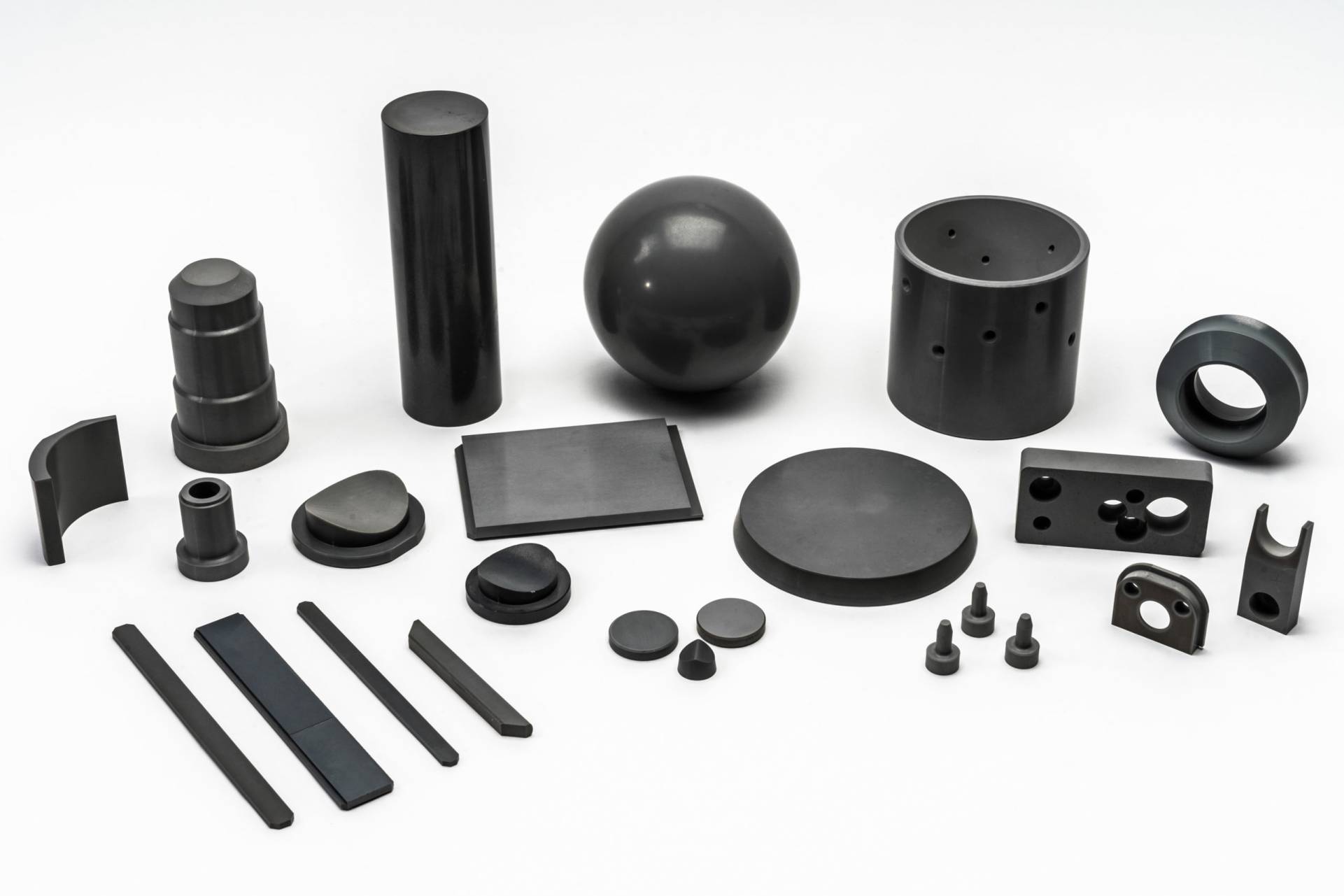
International Syalons offers specialized sialon ceramics that mitigate contamination challenges by resisting wear, chemical attack, and reactive adhesion. These materials are engineered for use in aggressive, high-purity environments, where minimal material degradation is critical.
- Maintains structural stability in molten metals up to 1000°C
- Non-wetting to molten aluminum and zinc
- Suitable for environments where both contamination and shock resistance are concerns
Contamination-Resistant Component Applications
International Syalons’ materials are developed with contamination-sensitive operations in mind. Key component solutions include:
- Milling Media: Designed to resist fracturing and material shedding during high-energy impact milling, significantly reducing sample contamination
- Thermocouple Sheaths & Riser Tubes: Resist wetting and chemical attack from molten non-ferrous metals, preventing dross buildup and foreign particle introduction
- Heater Tubes: Maintain structural integrity and low thermal expansion, preventing cracking and subsequent contamination from particulate release
- EDM-Compatible Dies: Enable high-precision machining of complex components without oil- or graphite-based lubricants that introduce residuals
Why It Works
Sialon ceramics are manufactured with dense, low-porosity microstructures that eliminate the pathways through which chemical attack and particle erosion typically occur. Key material design features include:
These attributes make sialons ideal for applications where mechanical strength must be matched by chemical inertness and dimensional stability.

- Material compatibility testing for specific chemical and physical loads
- Optimization of media size, geometry, and composition to further reduce sample contamination
- Collaborative design support to meet process-specific cleanliness standards
Get a Cleaner, More Reliable Process
Get in touch with our team to explore ceramic solutions that protect your process from unwanted impurities and material failures.

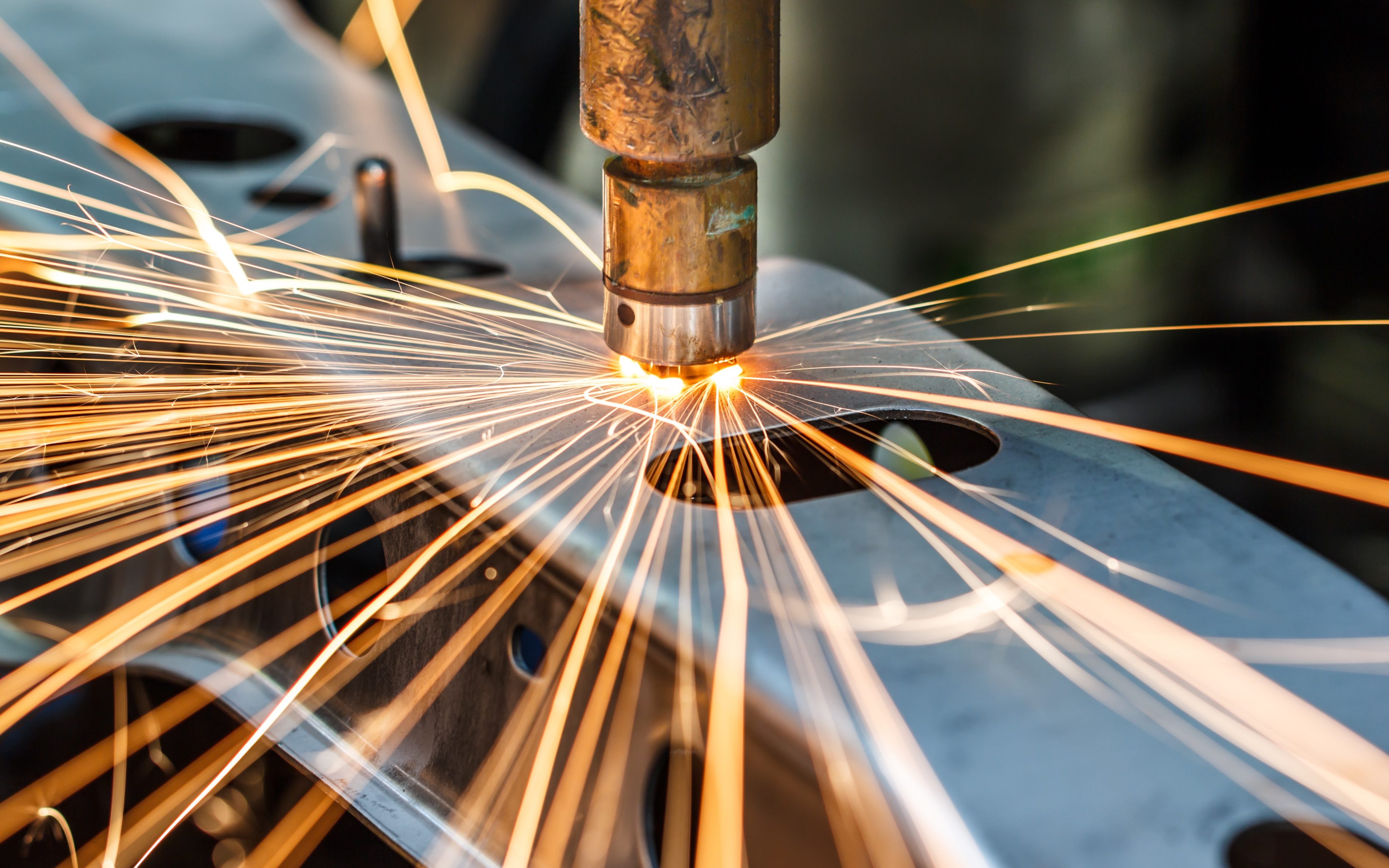
Sialon and zirconia provide the high temperature strength and non-wetting properties necessary for metal casting, extruding, and welding.
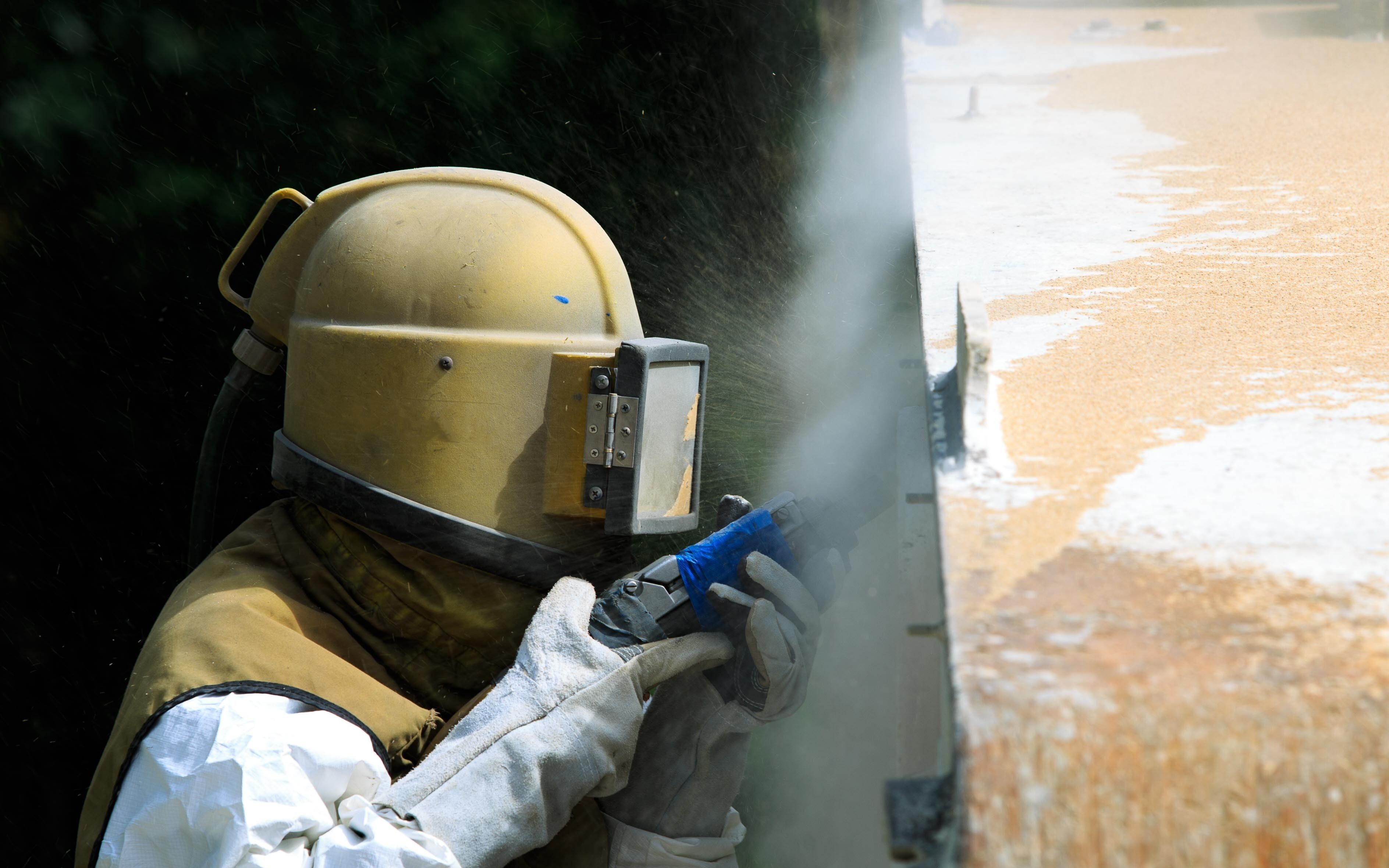
Technical ceramics are characterised by excellent mechanical strength and hardness, and are widely used in extreme wear applications.
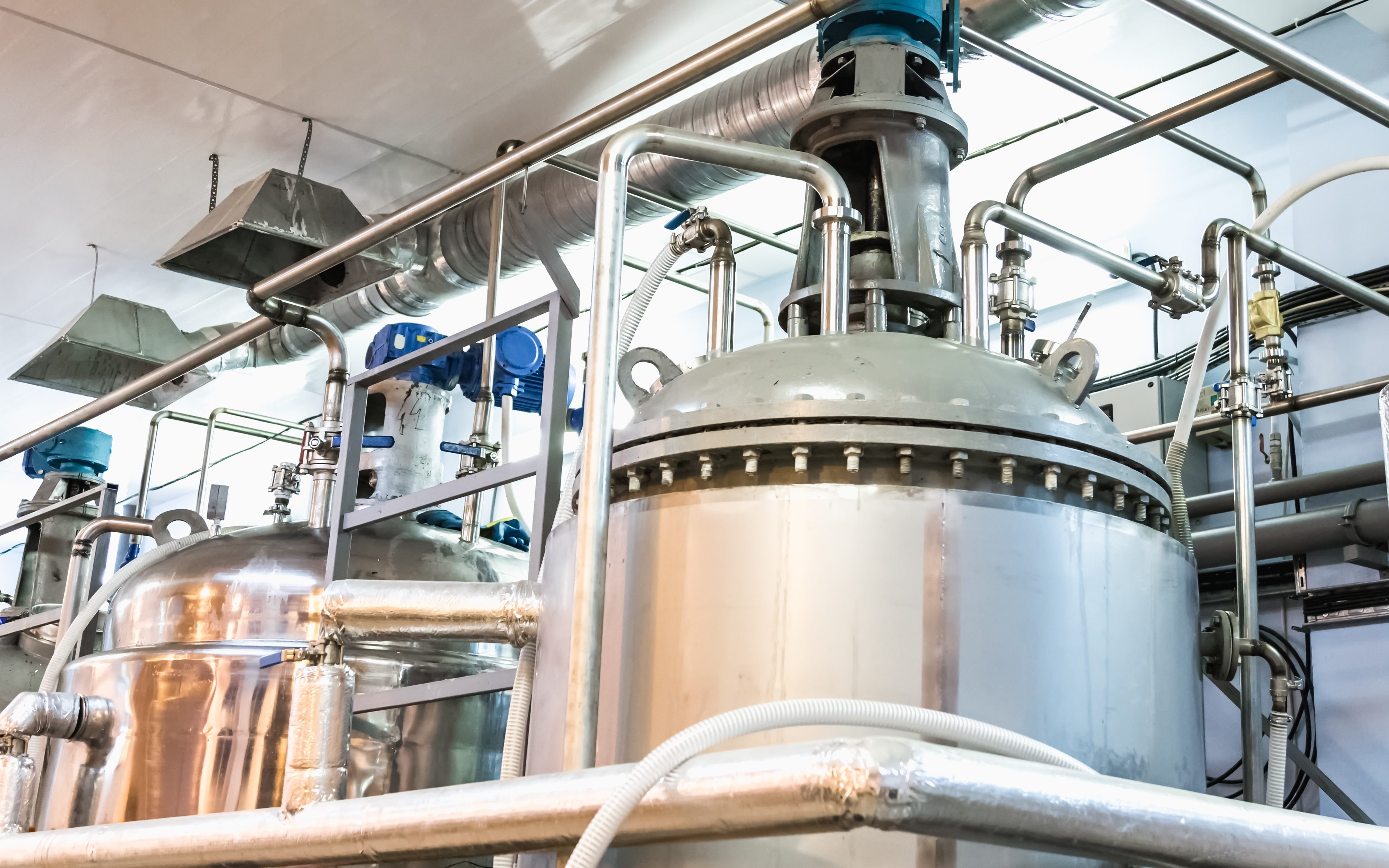
Silicon nitride offers excellent corrosion and thermal resistance and are ideal materials for use in the chemical and process industries.