THERMAL SHOCK
The Problem: Cracking, Spalling, and Structural Failure from Rapid Temperature Change
Thermal shock occurs when components experience rapid temperature shifts that create internal stress — often leading to cracking, delamination, or sudden failure. This is particularly problematic in industries like metal casting, energy, and aerospace, where materials must withstand cycles of intense heating and cooling.
Key thermal shock challenges include:
- Crack initiation and propagation, triggered by temperature gradients (ΔT) that exceed the material’s tensile strength
- Spalling, where surface layers delaminate due to differential thermal expansion
- Oxidation-assisted degradation, compounding crack formation in high-temperature environments
- Cyclic fatigue, weakening ceramics over repeated heating/cooling events
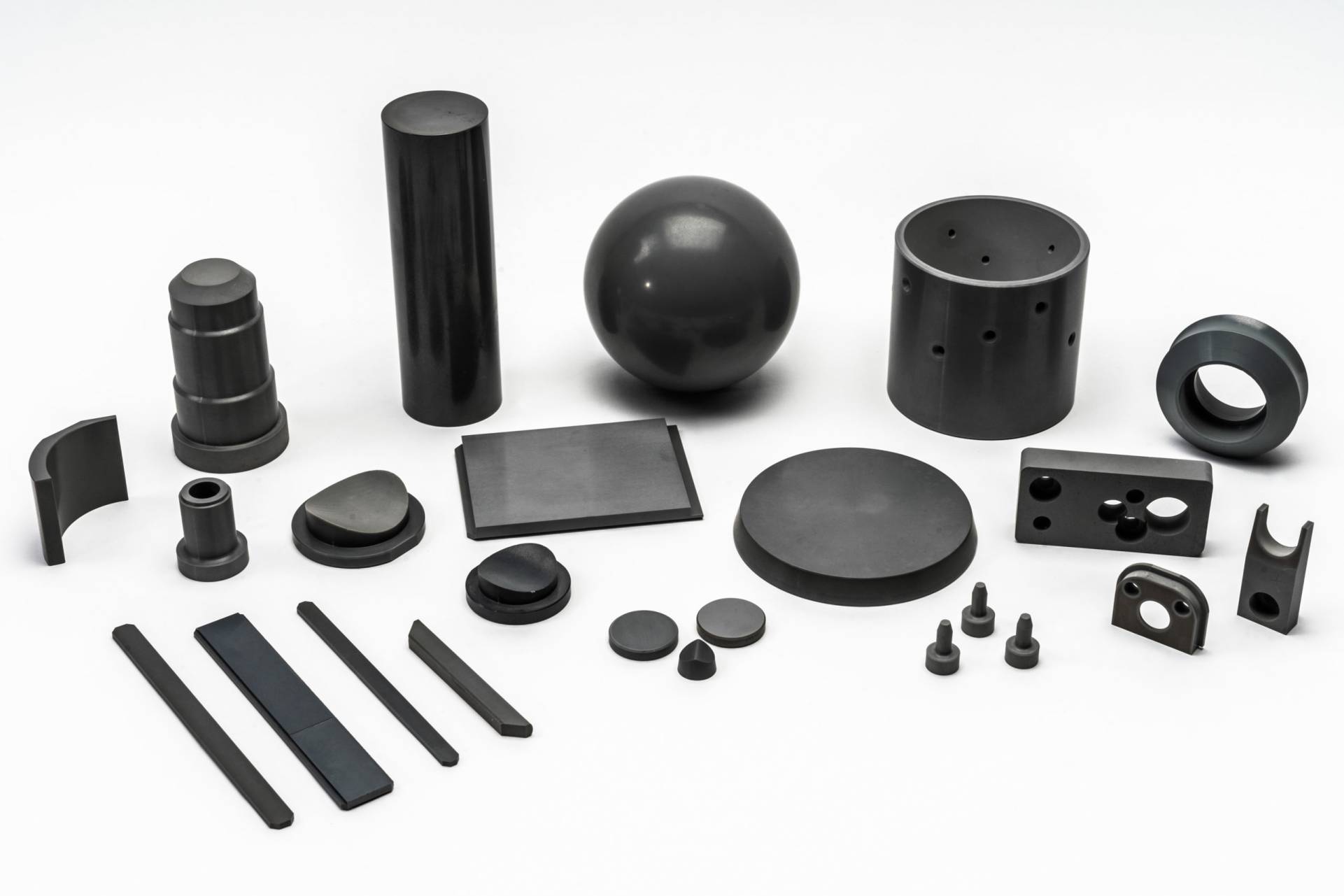
International Syalons develops advanced ceramics engineered for stability under extreme temperature changes. These sialon materials offer exceptional resistance to thermal shock through their covalent bonding, low thermal expansion, and crack-resistant microstructures.
Survives 1450°C operation with
No cracking after 100 cycles
Maintains strength and surface integrity in thermal cycling
Suitable for cyclic thermal loads with electrical discharge machining use cases
Why it Works
Sialon ceramics resist thermal shock through intentional material design:
- Elongated β-SiAlON grains, which interlock and deflect cracks under thermal stress
- Covalent Si-N bonding, providing intrinsic thermal resilience and oxidation resistance
- Reduced grain boundary glassy phase, minimizing deformation and flow at elevated temperatures
- Hybrid compositions, like boron nitride reinforcements in Syalon 110, further enhance high-temperature performance
Validated Performance in Extreme Conditions
All thermal shock-resistant grades are tested via direct water quenching — simulating the most aggressive thermal gradients:
- Syalon 101: 100 cycles from 900°C to 25°C without cracking
- Syalon 110: Maintains structural integrity and mass under long-term oxidation at 1450°C
These results confirm the suitability of Syalon ceramics in the most demanding industrial environments.


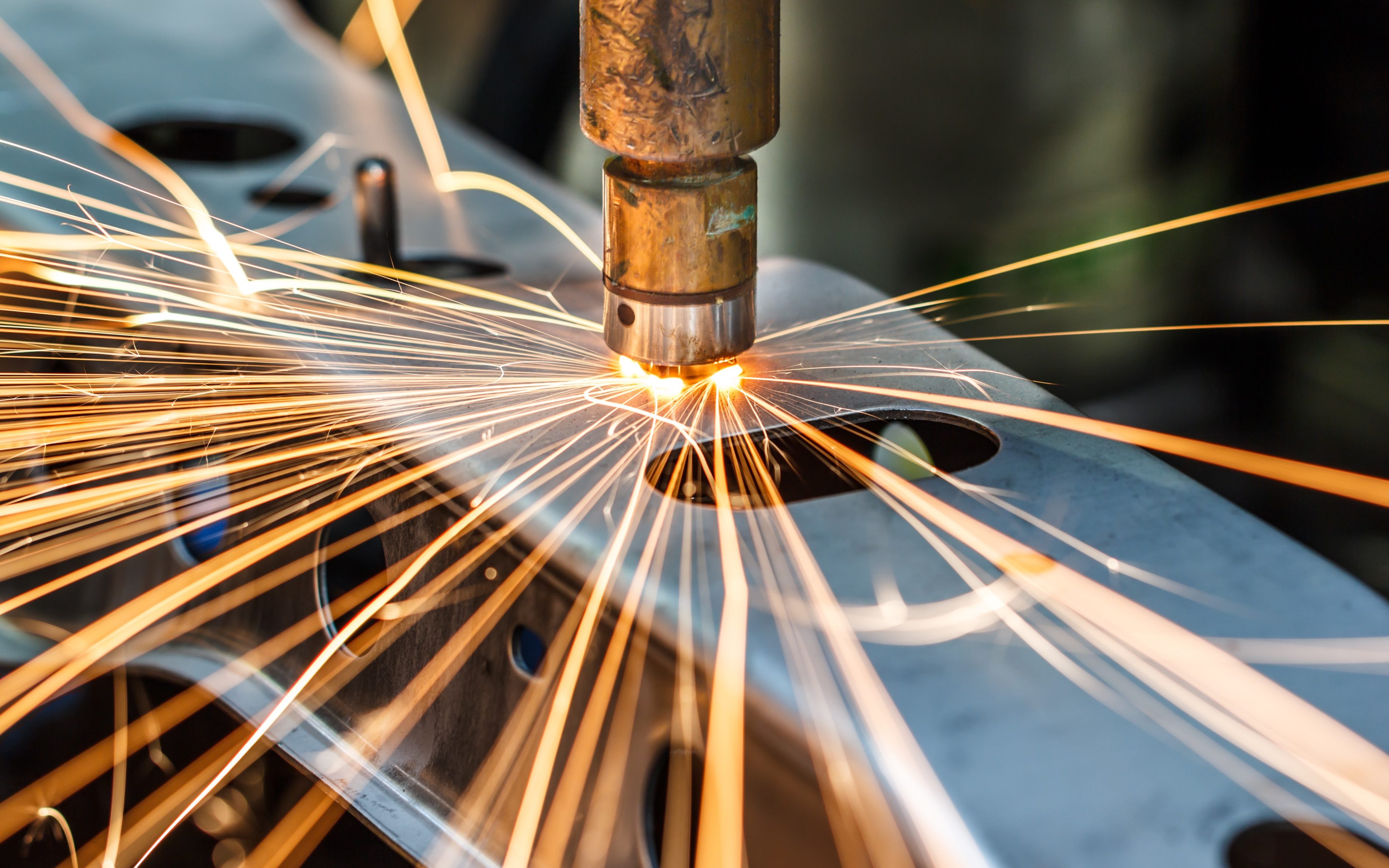
Sialon and zirconia provide the high temperature strength and non-wetting properties necessary for metal casting, extruding, and welding.
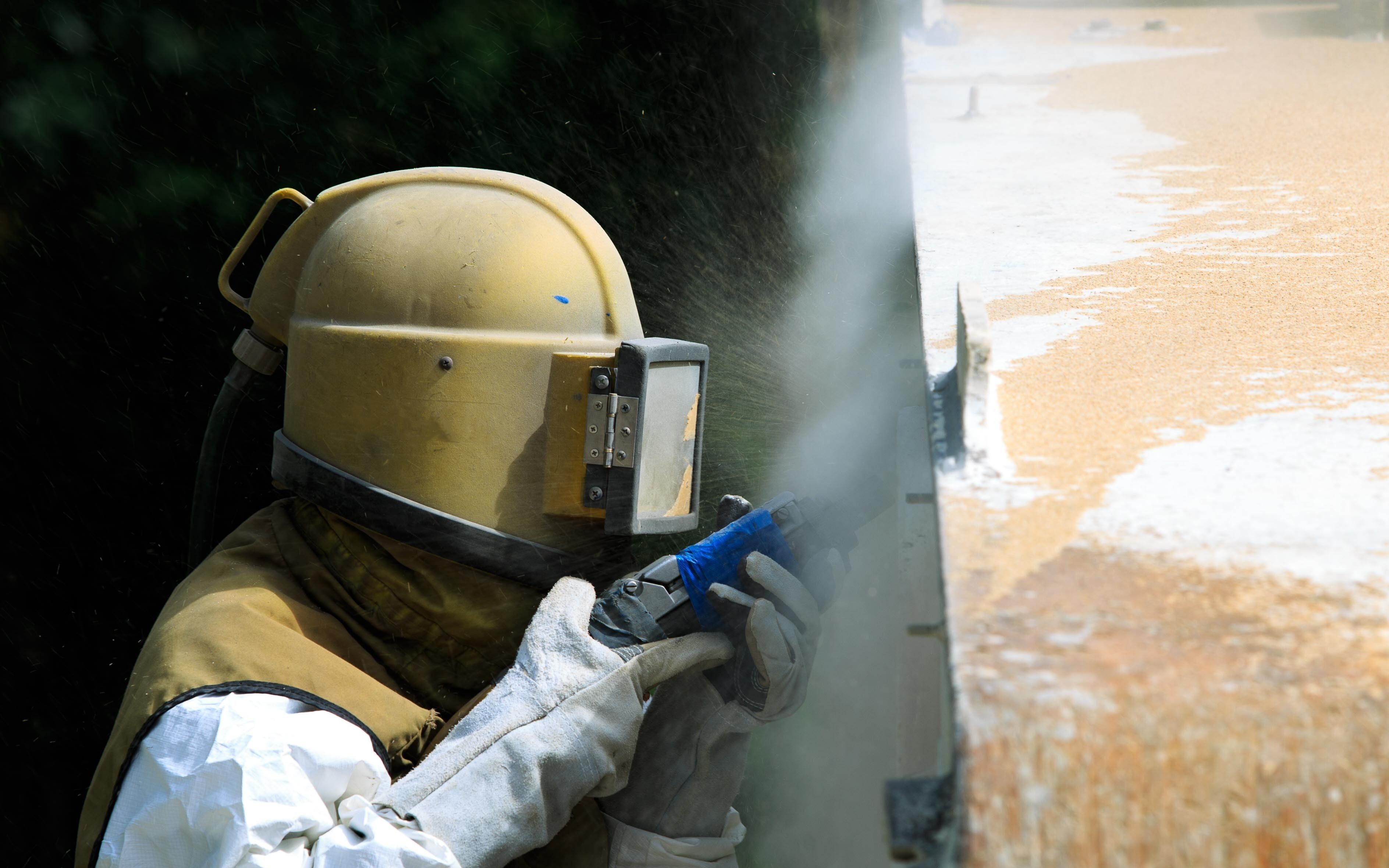
Technical ceramics are characterised by excellent mechanical strength and hardness, and are widely used in extreme wear applications.
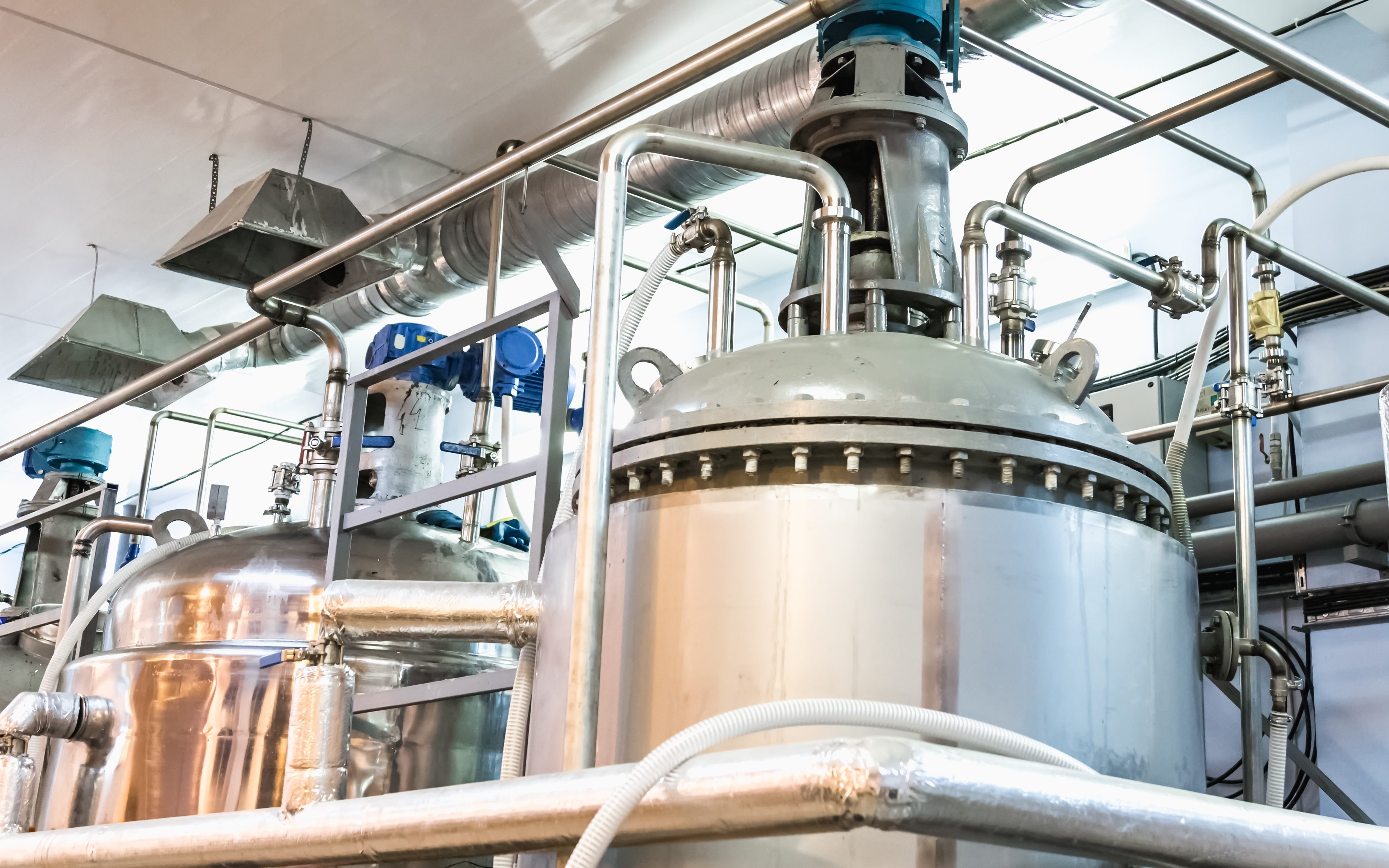
Silicon nitride offers excellent corrosion and thermal resistance and are ideal materials for use in the chemical and process industries.