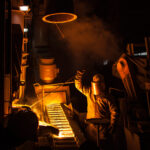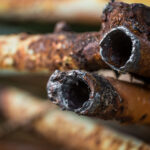
Chemical resistant equipment sits at the centre of some of the industry’s most aggressive operating conditions. Acids, alkalis, abrasive particles, and extreme heat continuously degrade pumps, seals, valves, and reactor components. Under these combined stresses, conventional materials such as stainless steel, carbon steel, polytetrafluoroethylene (PTFE), and engineered polymers can corrode, fatigue, or contaminate processing systems like reactors, pumps, and chemical transport lines. Advanced ceramics have emerged as a durable alternative because they resist chemical attack while maintaining strength, wear resistance, and thermal stability.
The Three Forces Driving Chemical Attack
Industrial corrosion rarely stems from a single source. In most processing environments, chemical exposure, oxidation, and mechanical wear occur simultaneously, placing continuous stress on pumps, seals, thermocouple tubes, valves, and transport systems used across chemical processing and metallurgy.
Strong acids such as hydrochloric acid (HCI) and sulfuric acid (H2SO4) gradually break down metallic surfaces by disrupting protective oxide barriers. Alkalis including sodium hydroxide (NaOH) generate similar challenges, particularly under elevated temperatures that accelerate corrosion rates and reduce component reliability.
Heat adds another layer of strain. High-temperature oxidation increases material degradation, while repeated thermal cycling weakens structural integrity over time. Reactors and molten metal handling systems are especially vulnerable, and even stainless steel or nickel-based alloys can deteriorate in chlorine-rich or highly alkaline conditions.
Abrasion accelerates material degradation further. Slurries and particulate-filled fluids erode exposed surfaces, allowing corrosive media to penetrate deeper into the material. Components such as pump impellers, valve seats, and mixing systems endure continuous corrosion, oxidation, and abrasive wear, making material selection critical for long-term equipment performance.
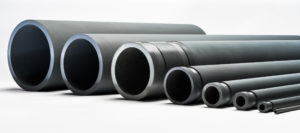
Sialon Tubes – Image Credit: International Syalons (Newcastle) Ltd.
The Advanced Ceramic Solution: Sialon
Unlike traditional metals and polymers, advanced ceramics resist chemical attack through inherent material stability, not temporary surface protection. Among the most effective options for harsh processing environments are Sialon ceramics, which combine the strength of silicon nitride with excellent resistance to corrosion, oxidation, heat, and abrasive wear. Such a balance of mechanical and chemical stability allows Sialon components to perform reliably in aggressive industrial systems exposed to continuous corrosion, oxidation, and wear.
Syalon 101 for Chemical Stability
Syalon 101 is engineered for processing environments where corrosive chemicals and elevated temperatures place continuous stress on equipment. This material resists chlorine gas at temperatures up to 1000°C and maintains stability across both acidic and alkaline conditions. As a result, Syalon 101 performs reliably in components such as mechanical seals, chemical transport tubes, reactor systems, and pump liners exposed to aggressive process media. That stability extends across fluctuating pH conditions from pH 1-14, an important advantage in industrial systems exposed to changing process chemistry.
Syalon 050 for High-Temperature Environments
Designed for severe thermal processing conditions, Syalon 050 delivers high hardness alongside excellent resistance to oxidation at temperatures approaching 1400°C. These properties support reliable performance in refractory systems and molten metal handling operations exposed to prolonged heat and chemical stress. Its non-wetting behaviour with molten aluminium and zinc further helps minimise surface degradation through preventing molten metal adhesion and reducing material accumulation during transfer and casting.
Specialised Materials for Niche Chemical Challenges
Although Sialon ceramics provide broad chemical resistance, some applications require chemical resistant materials optimised for specific operating conditions, including extreme thermal shock, abrasive slurry exposure, heavy mechanical loading, or prolonged metal contact.
Zircalon 10, a zirconia-based ceramic, offers both corrosion resistance and impact toughness that suits environments exposed to chemical attack and mechanical stress. Components such as weld pins, forming dies, and heavily loaded tooling benefit from its ability to withstand shock loading without sacrificing chemical stability.
Other advanced ceramics, including silicon carbide and alumina, are also widely used for chemical resistant equipment because of their durability and inert behaviour in aggressive environments. Silicon carbide is commonly found in slurry pumps, cyclone liners, and other abrasive handling equipment because its exceptional hardness and thermal conductivity help resist erosion under demanding operating conditions. Alumina, meanwhile, is often selected for chemical storage systems, reactor linings, and fluid handling components where dependable and cost-effective corrosion resistance is needed.
Real-World Applications Of Advanced Ceramics
Repeated exposure to corrosive chemicals, abrasive media, and extreme heat has driven the adoption of advanced ceramics across many industrial processes. Advanced ceramics are found in:
- Ceramic impellers and seals that prevent contamination when pumping aggressive chemicals
- Thermocouple protection tubes used for thermal monitoring in corrosive reactors and molten metal baths
- Ceramic dies for metal forming and welding applications where oxidation, wear, and chemical degradation occur simultaneously
- Pump components and valve systems exposed to abrasive slurries and corrosive media
- Molten metal transfer equipment operating in high-temperature processing environments.
By resisting corrosion, oxidation, and abrasive wear under demanding operating conditions, advanced ceramics help improve equipment reliability, reduce unplanned maintenance, and support longer service life across critical processing systems, from chemical reactors to slurry pumps.

Corrosion resistant sialon balls – Image Credit: International Syalons (Newcastle) Ltd.
Meeting the Demands of Harsh Processing Conditions
Advanced ceramics offer a practical solution for industrial systems operating under extreme chemical and thermal stress. International Syalons helps engineers identify the most suitable ceramic materials for challenging processing environments and achieving long-term operational performance. We have materials including Syalon 101, Syalon 050, Zircalon 10, silicon carbide, and alumina that can withstand corrosive chemicals, abrasive media, oxidation, and elevated temperatures across a variety of industrial applications. Contact our specialists today to discuss our advanced ceramics in more detail.