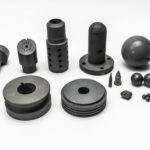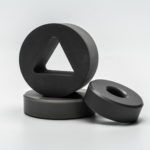
Liquid metal adhesion is governed by complex interactions between molten alloys and the surfaces they encounter. During high-temperature manufacturing, favourable surface chemistry can cause molten aluminium, zinc, steel, and copper alloys to wet, spread, and bond with tooling, leading to contamination, dimensional change, and costly maintenance. Preventing these interactions is accomplished with materials possessing exceptional chemical stability and low wettability. Advanced sialon ceramics provide a stable, chemically inert contact surface, helping manufacturers maintain cleaner processes and more consistent production over extended operating periods.
The Science of Non-Wetting and Interfacial Inertness
Non-wetting behaviour depends on the balance between surface energy and interfacial tension. When molten metal contacts a surface with strong chemical affinity, it spreads across the material and forms a bond that promotes liquid metal adhesion. Higher interfacial tension produces the opposite effect by encouraging the molten alloy to remain in discrete droplets that separate cleanly from the contact surface. Lowering liquid metal adhesion therefore relies on choosing materials whose surface chemistry discourages interaction with aggressive molten alloys instead of promoting it.
Material structure has an equally important influence on long-term performance. Conventional metallic tooling and many oxide refractories contain bonding structures that become vulnerable under prolonged thermal and chemical exposure. Sialon ceramics, in comparison, contain a strong silicon-nitrogen covalent lattice that offers exceptional chemical stability. Covalent bonding resists atomic diffusion from molten aluminum, zinc, steel, and copper alloys, limiting chemical attack and reducing the conditions that encourage liquid metal adhesion throughout continuous production.
Density also determines whether a ceramic can maintain non-wetting performance across its service life. Open porosity allows molten metal to penetrate microscopic voids beneath the surface. Once the alloy solidifies, mechanical anchoring develops, making deposits difficult to remove without damaging the component. Zero open porosity prevents infiltration, preserving smooth contact surfaces and eliminating another major cause of liquid metal adhesion across demanding high-temperature processes.
The Wider Impact of Liquid Metal Adhesion on Production
Liquid metal adhesion produces challenges that extend far beyond routine cleaning. What starts as a thin layer of adhered molten metal can gradually affect process stability, increase operating costs, and shorten component life. As operations continue, those issues make production less predictable and place greater pressure on plant resources.
Common consequences include:
- Dross accumulation that contaminates molten metal and reduces melt quality
- Dimensional changes on contact components that affect product consistency
- Decreased heat transfer efficiency caused by surface build-up
- More frequent production stoppages for cleaning, servicing, or component replacement
- Higher scrap rates when deposits interfere with casting, extrusion, or welding performance.
Preventing liquid metal adhesion at the material level helps avoid these issues before they develop. Non-wetting advanced ceramics keep contact surfaces cleaner for longer, extending service intervals, improving process control, and supporting more consistent production.
Engineered Sialon Solutions for Specific Industrial Challenges
Different industrial processes expose contact components to unique combinations of molten metal chemistry, wear, and thermal cycling. Selecting the correct ceramic grade ensures surfaces remain resistant to liquid metal adhesion under specific operating conditions.
Syalon 101
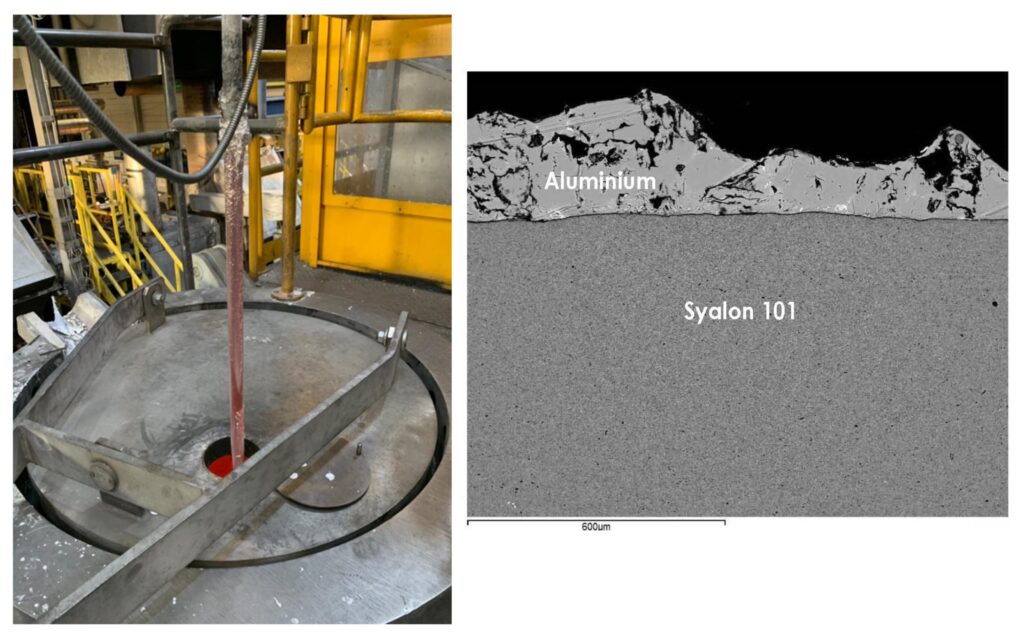
For non-ferrous processing, Syalon 101 provides zero open porosity and outstanding non-wetting performance against molten aluminium and zinc. The material prevents liquid metal adhesion, dross accumulation, and alloy transfer across prolonged operating periods, helping maintain cleaner equipment and consistent production.
Common uses include:
- Thermocouple protection sheaths in aluminium holding furnaces
- Resistance welding location pins used in automotive body assembly
- Molten aluminium handling components where clean surface contact is essential.
Syalon 110
Steel casting introduces additional challenges because molten slag and fluxes rapidly attack conventional materials. Syalon 110 incorporates a secondary boron nitride phase within the sialon matrix, forming a highly resistant barrier against slag adhesion and chemical attack. Thermal shock resistance of up to ΔT = 800°C enables continuous casting break rings to withstand rapid temperature changes without sacrificing dimensional stability or increasing the risk of liquid metal adhesion.
Syalon 050
Aggressive wear conditions call for materials capable of maintaining precision over long production campaigns. Syalon 050 delivers outstanding chemical stability at temperatures up to 1400°C, making it particularly suitable for hardware operating inside molten zinc galvanising baths where corrosion resistance is essential and liquid metal adhesion must be minimised.
Syalon 501
Manufacturers requiring highly accurate tooling can also benefit from Syalon 501. Its electrically conductive properties allow Wire-Electrical Discharge Machining (EDM), enabling complex extrusion dies to be made with precise tolerances that conventional ceramics cannot easily achieve. During aluminium extrusion, the material retains clean die surfaces, limits surface fouling, and reduces liquid metal adhesion that would otherwise compromise product quality and increase maintenance requirements.
Matching ceramic materials to melt chemistry, operating temperature, and mechanical loading transforms contact components from consumable wear items into durable process assets. Cleaner surfaces, longer operating life, and decreased maintenance all contribute to more predictable manufacturing performance with significantly lower levels of liquid metal adhesion.
Advanced Ceramics: The Key to Preventing Liquid Metal Adhesion
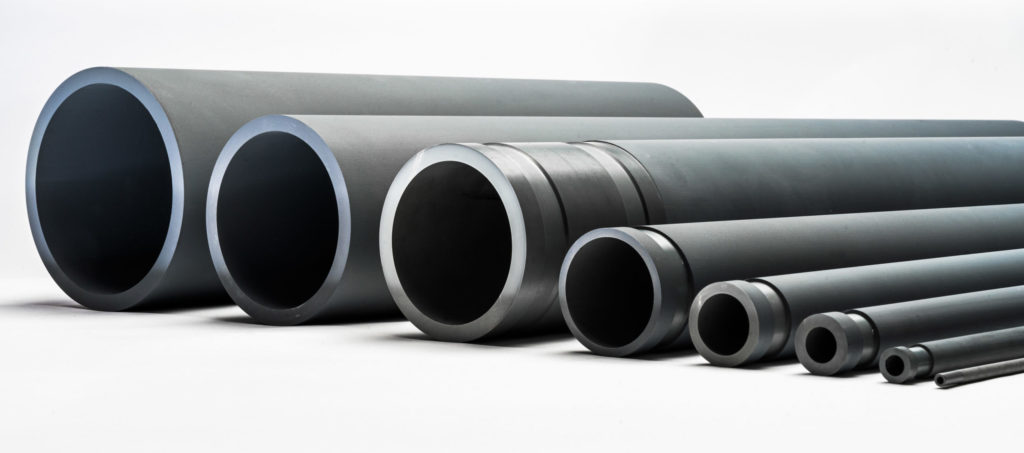
Successful control of liquid metal adhesion depends on selecting advanced ceramic materials designed for the thermal, chemical, and mechanical demands of production environments instead of relying on repeated cleaning or premature component replacement. International Syalons supplies advanced materials like Syalon 101, Syalon 110, Syalon 050, and Syalon 501 for thermocouple sheaths, heater tubes, riser tubes, break rings, weld location pins, and extrusion dies. Contact our specialists now to review your process conditions and identify the most ideal ceramic grade for preventing liquid metal adhesion.