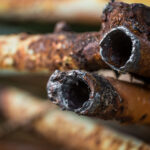
The true cost of a component is rarely determined by its purchase price. Over time, repeated replacements, production downtime, and emergency maintenance can have a more significant impact on operating costs than the component itself. Advanced technical ceramics offer a practical way to reduce these expenses by resisting the wear, corrosion, and thermal shock that commonly cause premature component failure, enabling equipment to operate reliably for longer.
Root Causes of Excessive Maintenance Expenditure
Maintenance expenditure rarely increases because of a single damaged component. More often, costs build steadily as conventional materials struggle to withstand demanding operating conditions. Continuous exposure to abrasive wear, thermal cycling, and corrosive process media gradually weakens critical components until replacement becomes unavoidable. Once failure occurs, production schedules are disrupted, maintenance teams must respond immediately, and neighbouring equipment may also require repair before operations return to normal.
Despite the wide variety of industrial processes, the same degradation mechanisms account for most recurring maintenance problems:
- Abrasive and erosive wear caused by particles, powders, or slurries gradually removes material from wear surfaces.
- Thermal shock generated by repeated heating and cooling cycles forms microcracks that can develop into complete fractures.
- Chemical corrosion and molten metal attack accelerate deterioration in aluminium processing, zinc handling, and aggressive chemical environments.
The consequences extend far beyond the purchase of replacement parts. Unscheduled shutdowns reduce production throughput, emergency labour increases operating costs, and damaged equipment often requires additional maintenance before manufacturing can continue. Choosing materials that resist these failure mechanisms establishes valuable opportunities for industrial maintenance cost savings by preventing failures before they interrupt production.
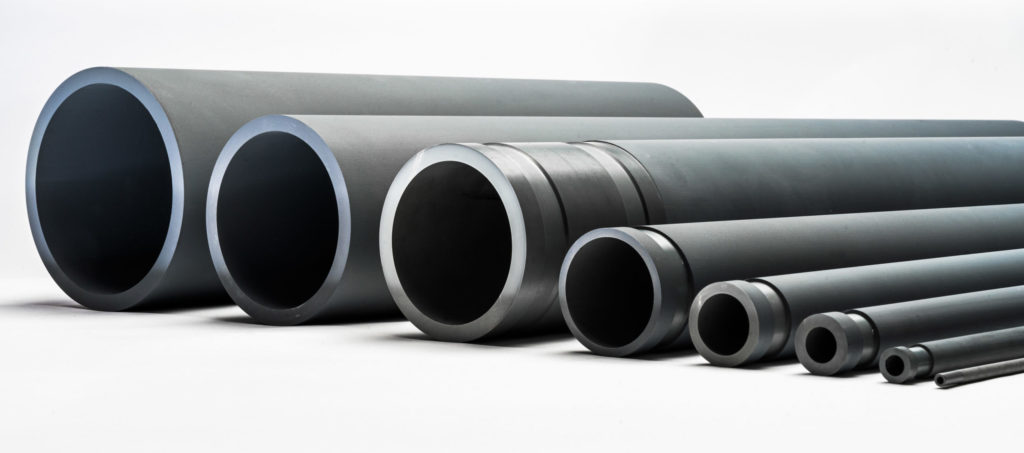
Solving Maintenance Challenges Through Advanced Ceramic Selection
No single ceramic material is suitable for every industrial application. Long-term reliability depends on selecting a material whose properties directly address the dominant failure mechanism. The correct specification keeps components operating longer, decreases maintenance requirements, and supports sustainable industrial maintenance cost savings.
Silicon Nitride and Sialon
Thermal cycling is one of the most common causes of premature failure in foundry equipment. Silicon nitride and International Syalons’ proprietary Sialon grades, including Sialon 101 and Sialon 050, are engineered to withstand these demanding conditions through exceptional thermal shock resistance, high mechanical strength, and excellent resistance to molten aluminium and zinc. Their non-wetting behaviour also limits material adhesion, helping components remain cleaner throughout production.
Foundries commonly use silicon nitride and Sialon materials for thermocouple protection tubes, heater tubes, riser tubes, and ceramic weld location pins because they withstand repeated heating and cooling without cracking prematurely. Longer operating life lowers replacement frequency, limits production interruptions, and delivers measurable industrial maintenance cost savings.
Zirconia
Impact loading and abrasive wear present a different engineering challenge. Zirconia addresses them through outstanding fracture toughness and high flexural strength, allowing critical wear components to withstand mechanical shock without sacrificing dimensional stability.
Extrusion dies, valve seats, pump plungers, and other precision components benefit from zirconia as they maintain tight tolerances throughout extended production runs. Stable dimensions support consistent product quality, minimise maintenance interventions, and lower replacement costs over time.
Alumina
Many engineering applications, including electrical insulation, material, handling, and bulk solids processing, do not require the enhanced toughness offered by silicon nitride or zirconia. Alumina provides an effective balance between performance and cost with high hardness, excellent electrical insulation, and strong chemical stability.
Electrical insulators, guide rollers, wear plates, and sliding components frequently use alumina since it delivers dependable wear resistance across a broad range of industrial environments. Longer replacement intervals help maintenance teams control operating expenses while contributing to ongoing industrial maintenance cost savings.
Silicon Carbide
Chemical processing equipment often combines elevated temperatures with extremely corrosive process media. Silicon carbide excels in these corrosive, high-temperature environments due to its enhanced thermal conductivity, exceptional hardness, and chemical resistance preserving component integrity over extended operating periods.
Seal rings, furnace fixtures, heat exchanger components, and equipment used throughout chemical processing plants benefit from silicon carbide’s durability. Fewer maintenance interventions improve equipment availability and decrease long-term operating expenditure.
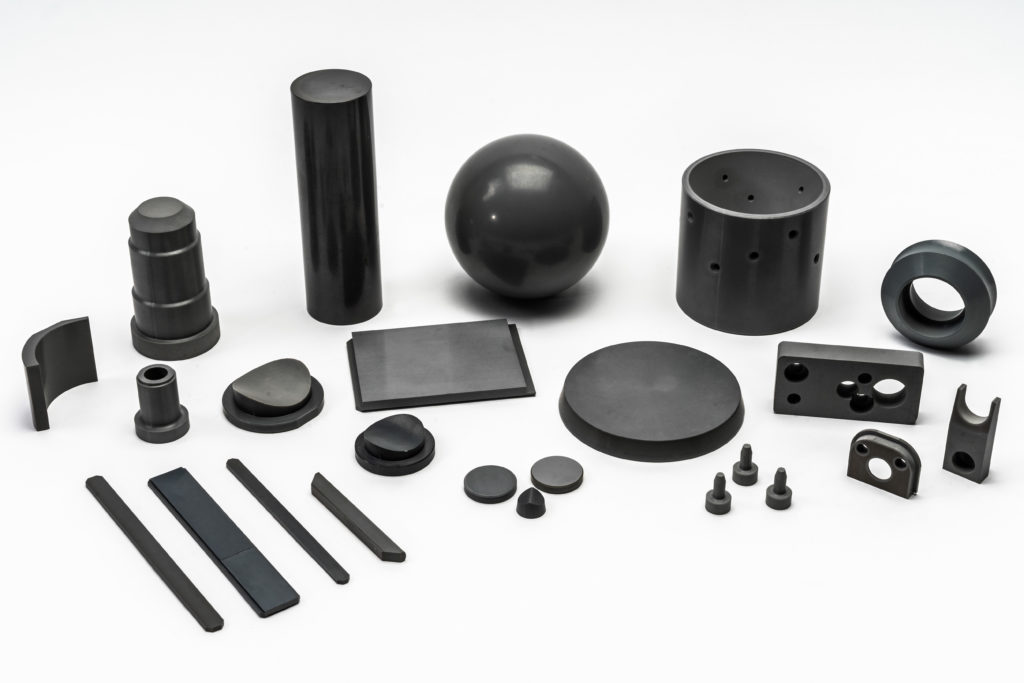
Calculating the Return on Investment of Advanced Ceramics
Advanced ceramics often cost more than conventional engineering materials at the point of purchase. That initial investment, however, reflects only a fraction of the overall cost. Total cost of ownership provides a more accurate measure because it accounts for maintenance frequency, equipment reliability, production continuity, and component lifespan during normal service.
Several measurable factors contribute to industrial maintenance cost savings:
- Reduced downtime through fewer component changeovers and emergency shutdowns
- Improved labour efficiency by allowing maintenance teams to focus on planned preventative work
- Greater manufacturing consistency since ceramic components retain dimensional accuracy across extended production cycles
- Lower risk of secondary equipment damage resulting from premature component failure.
Taken together, these operational improvements frequently reduce lifetime ownership costs below those associated with conventional engineering materials.
Build Reliability Into Every Component
Material selection influences equipment reliability long after installation. Replacing conventional materials with advanced ceramics that resist specific failure mechanisms improves production continuity and delivers sustainable industrial maintenance cost savings throughout the equipment lifecycle.
International Syalons supports manufacturers with proprietary Sialon 101, Sialon 050, Sialon 201, silicon nitride, zirconia, alumina, and silicon carbide materials, alongside thermocouple protection tubes, heater and riser tubes, ceramic weld location pins, and extrusion dies. Reach out to International Syalons now to procure an advanced ceramic solution that can decrease recurring component failures and improve production continuity.